
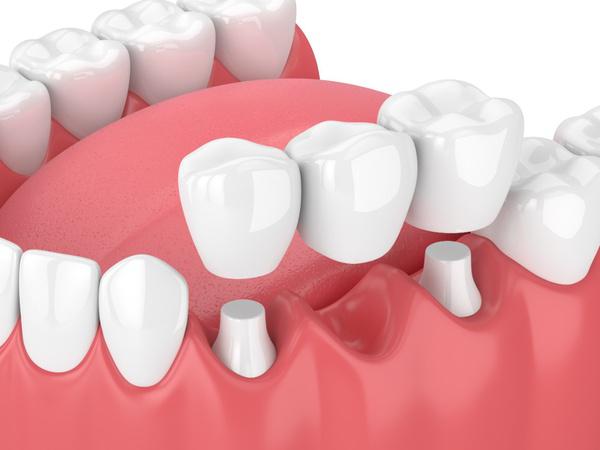
A fixed dental bridge is a non-removable restoration used to replace one or more missing teeth. It helps restore the look and function of your smile by filling the gap with artificial teeth that are supported by neighboring natural teeth or dental crowns.
There are several types of dental bridges, and your dentist will recommend the option that best fits your needs. A traditional bridge is one of the most common choices. It often includes two crowns placed on the teeth beside the gap, with one or more artificial teeth in between. These replacement teeth, called pontics, are designed to blend in with your natural smile.
Fixed bridges are strong, reliable, and made to last for many years. Over time, however, they may need maintenance, re-cementing, or replacement due to normal wear.
Reasons for a Fixed Bridge
- Replace missing teeth and close open spaces
- Help maintain the natural shape of your face
- Keep nearby teeth from shifting out of place
- Improve chewing and speaking
- Restore the appearance of your smile
- Provide a more stable alternative to a removable partial denture
What to Expect When Getting a Fixed Bridge
Getting a fixed bridge usually takes two or more visits. During the first appointment, the supporting teeth are prepared by removing a small amount of enamel to make room for the crowns. Our dentist will then take precise impressions of your teeth so the bridge can be custom-made in a dental laboratory. A temporary bridge is typically placed to protect the area until your permanent bridge is ready.
At your next visit, our dentist will place the permanent bridge, check the fit, and make any needed adjustments. Once everything feels right, the bridge is cemented into place. In some cases, your dentist may use temporary cement first to give your teeth and gums time to adjust before permanently securing the bridge.
After the procedure, you will receive instructions on how to care for your new bridge. Brushing, flossing, and regular dental checkups are important for keeping your bridge in good shape and helping it last as long as possible.