

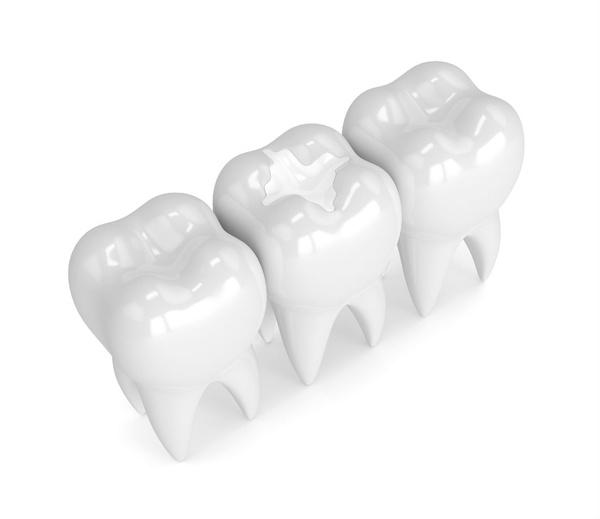
Dental sealants are thin protective coatings placed on the chewing surfaces of molars, premolars, and other teeth with deep grooves. These grooves, often called pits and fissures, can trap food and bacteria, making them hard to clean with regular brushing. Because many cavities begin in these areas, sealants help protect teeth by covering the grooves and creating a smoother surface that is easier to keep clean.
Sealants can reduce the risk of tooth decay for several years. However, they should be checked during regular dental visits to make sure they remain intact and free from wear or chipping.
Who Can Benefit from Sealants?
- Children and teenagers: Sealants are often recommended as soon as permanent molars come in, usually around age 6, and during the cavity-prone years through the mid-teen years.
- Adults: Adults with healthy teeth that have deep grooves or depressions may also benefit from sealants.
- Baby teeth: In some cases, sealants may be placed on baby teeth if a child is especially prone to cavities and the teeth have deep grooves.
What Happens During the Sealant Process?
Applying sealants is quick, simple, and painless. The process usually takes just a few minutes per tooth.
First, the tooth is carefully cleaned. Then the area is kept dry, and a special solution is placed on the tooth surface to help the sealant bond properly. After the tooth is rinsed and dried, the sealant material is painted onto the grooves of the tooth. Depending on the type of sealant used, it will either harden on its own or be cured with a special light.
With good home care, a healthy diet, and routine dental checkups, sealants can help protect teeth and support long-term oral health.